Stories of Welcome
‘You’re our family forever’: The community-centered mission of Rising Village
December 08, 2025
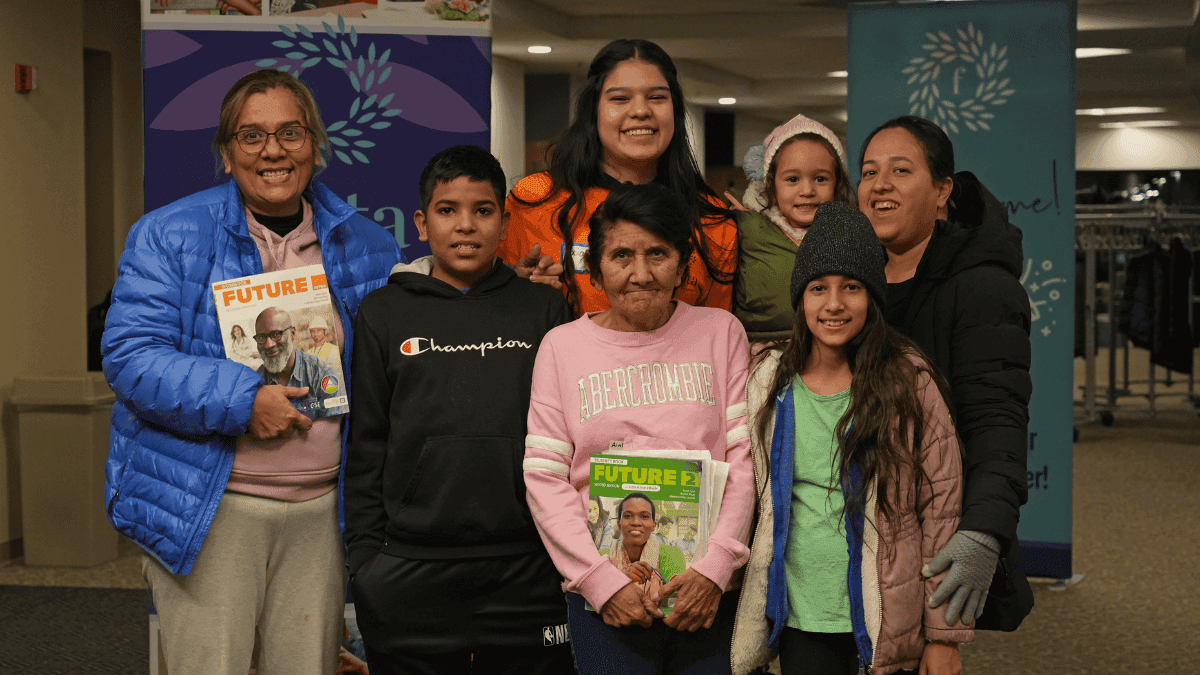
Festa is dedicated to ending poverty among new American families through the power of education and relationship building. From their flagship 3-Generation Family ESL program, which builds language skills from infants to elders, to a multitude of resources and engagements, their holistic model provides support to every member of the family. They not only address immediate needs such as food security but also build long-term stability by empowering families to thrive.
Festa’s mission is driven by its five pillars: feed, educate, serve, train, and advocate. Why did you choose these pillars?
I’ll flip it upside down and say we didn’t choose them: they chose us.
We first started with a summer lunch camp, feeding children during the summer who, during the school year, relied on free school meals. We soon realized that these children were facing so much instability because they didn’t know where their next meal would come from.

Food does more than relieve hunger; it feeds the mind and spirit.
By the end of that summer, the parents and volunteers were all asking, “So, what’s next?” At first, I was thinking we’d just come back next summer and do it again, and they said, “No, this is amazing, but we have another big issue we wonder if you could help with.”
The parents expressed that their children were falling behind in school, and when we asked why, they shared that, as parents, they lacked English proficiency, had demanding work schedules, and had limited access to technology. Their children needed homework help, but they couldn’t afford tutoring services.
We started after-school tutoring and homework help on top of the food provisions, adding the “feed” and “educate” pieces to the pillars.
At the time, we weren’t a nonprofit; I was just an individual who felt a calling to serve the community. I then recruited, trained, and mobilized hundreds of volunteers to come with me and serve our neighbors. “Serve” was part of our DNA right from the beginning.
That first summer, we served almost 300 children with 200 volunteers, and now we work with over 800 volunteers a year. We do the work that we do by mobilizing our community to love and support their neighbors.
We quickly had people from other communities calling to ask how they could implement this in their own towns. This brings in the “train” part of our pillars; we teach other communities how to use our model to serve the neighbors in their community.
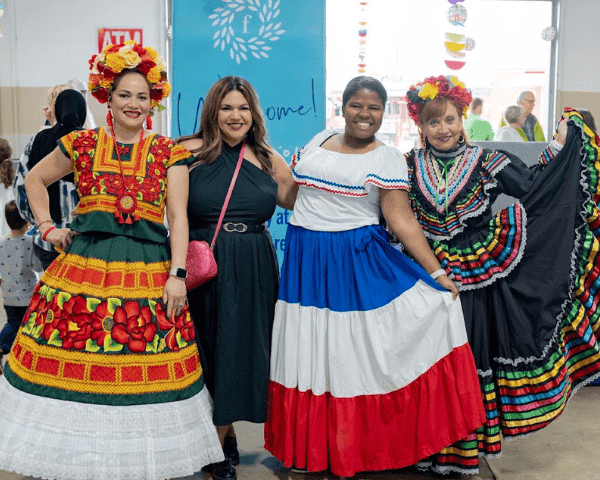
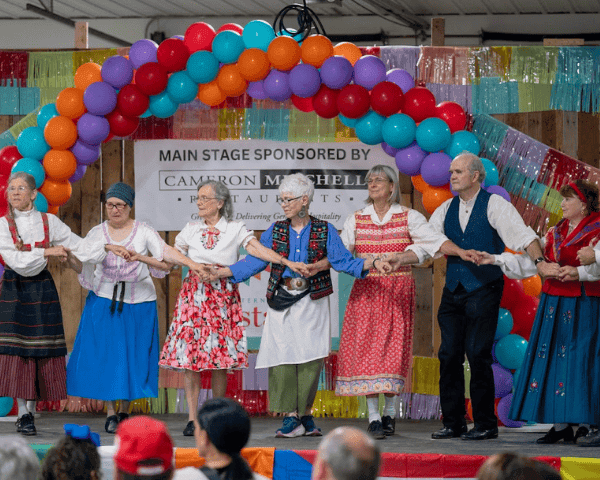
When it comes to “advocating,” I quickly learned that there are environments I’m in that my friends wouldn't be invited to. I saw this as an opportunity to share their stories on their behalf to give them a voice.
When we get to tell the stories of the children and families we meet, it helps people build empathy, recognize what they don’t know, and learn from it. We advocate for children at school, for volunteers who want the opportunity to serve their community, for those facing poverty in the suburbs, and everything in between.
Your 3-Generation Family ESL program has been highly impactful. Can you tell us a bit more about that initiative?
We noticed at our homework help program that the children were serving as translators so their parents could talk to us. The parents started asking us where they could learn English. We found that there is an enormous gap between the desperate demand for adult English learning and the number of available adult English programs.
We started adding adult English learning programs alongside the homework helping sessions. We then had one mom say she couldn’t come because she had a young toddler at home to care for. The solution there was easy; we added an early childhood area for babies, toddlers, and preschoolers, and then our 3-Generation program was invented.
How does this concept of serving multiple generations help these families build self-sufficiency?
It’s remarkable to me how many entities in our culture don’t look at a family unit. When the entire family unit is facing poverty, they don’t have the time or resources to be separate from each other. The logistics just don’t work, so if you’re only serving one age group, you really can’t help the full potential of people.
Workforce development is an essential program for adults, but English learning must come before that, and without children’s programming, it would be impossible for those adults to attend.
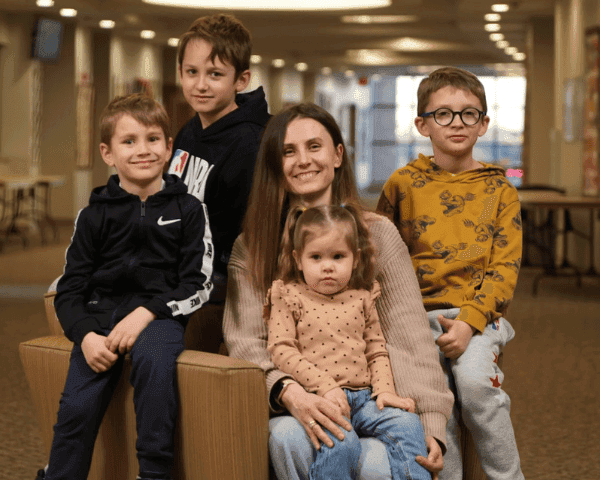
We stumbled upon the idea of serving the whole family simultaneously, and it cannot be overstated how important it is. I’m on a mission to show this to other nonprofits as well—even if you serve small numbers of whole families—include them all.
One day, I went to an adult English program I’d been sending parents to, and while there, I saw a group of around 20 children hanging out and waiting for their parents to finish class.
So I decided to bring the after-school program here, take care of the children, and teach them while their parents were in class. When I first started this, there were 55 adults in the class; after just four weeks of including the children’s program, 121 adults were attending.
That’s how impactful it is to have all of this opportunity in one place. With this new setup, parents can come in, sign their children in, and everyone would then split into their age group classes.
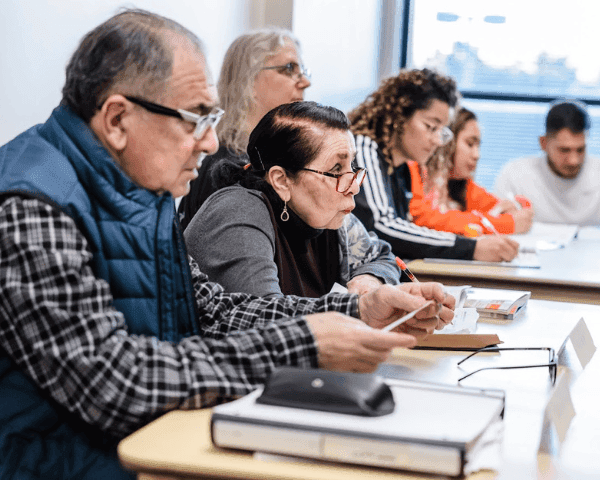
Our programming spans everything these families could need. Ages 2–18 are all fed dinner and receive homework help. Adults have seven levels of English courses available.
We have arts and crafts, gym time, and even neighborhood volunteers from places like the zoo coming in to host extracurriculars. We really aim to open up their minds to the opportunities that they’ll have in life.
What do life-changing relationships look like between volunteers and new American families in your programs, and why is this relational model key to their success?
Building relationships across lines of difference makes someone who was once a stranger now a friend.
At Festa, we’re serving people from over 90 countries, speaking different languages and coming from entirely different cultures and backgrounds from all around the globe.
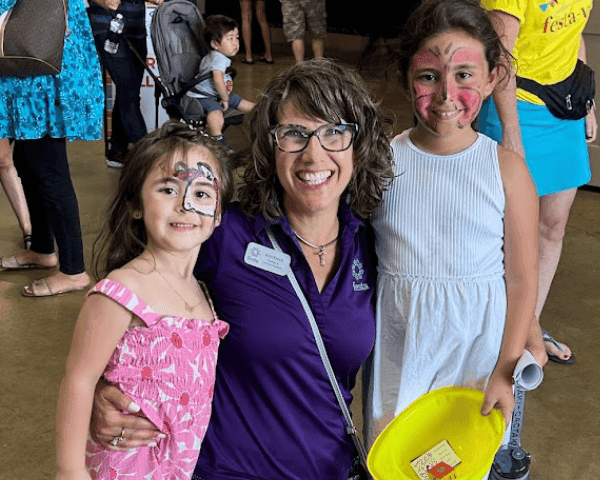
When we recruit and train our volunteers, our core focus is serving our neighbors. From kindergartners to senior citizens, volunteers come in, meet neighbors they have not met before, and thousands of genuine friendships form.
These connections expand people’s minds, end loneliness, tear down bias, and build respect-filled communities. Individual lives and whole communities are changed by these friendships across lines of difference.
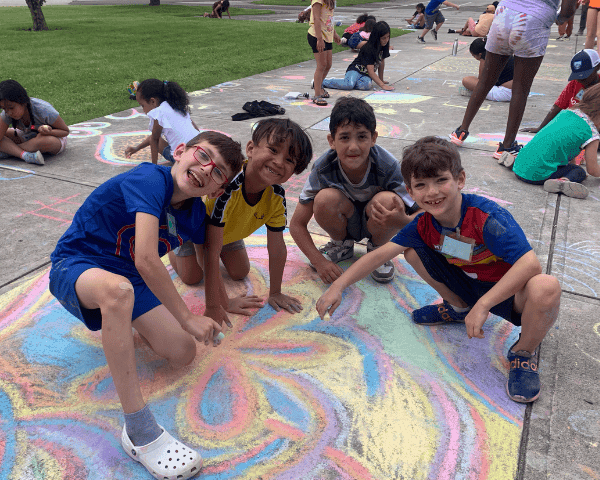
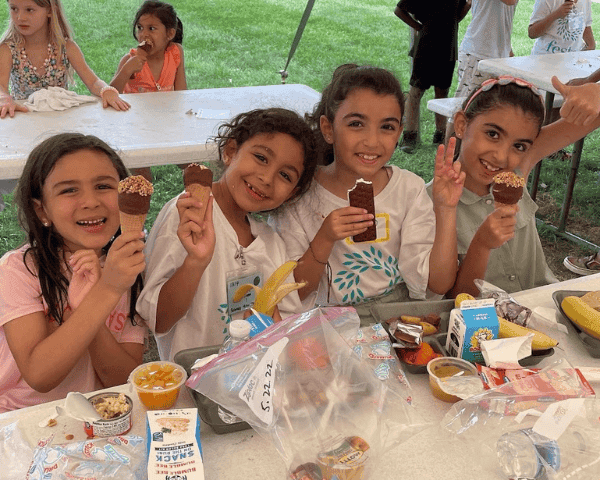
Nothing here is transactional; it is all relational. We have adults coming in to work in the adult classrooms, teenagers playing with small students playing Connect 4, and they’re all sitting together at dinner, talking and sharing.
We say the people here are "sticky." Not in the physical sense, but once someone comes to volunteer, they stick around and can’t help but come back.
We set up our system this way because we want volunteering to be accessible to everyone in the same way our classes are. Everyone who comes in knows that we value and are here to support them.
We’ve heard you’re working on a documentary. Can you share more about it and what it means to you?
From the beginning, I have always felt like God laid a hand on my heart to tell stories. We believe that telling stories of how people’s lives have been changed is at the highest level of our organization’s DNA.
A few years ago, as I was hearing more about the relationships being formed at Festa and the stories of people’s lives, I began to picture what it could look like to share them with the world.
Then one day, I spoke my dream out loud to one person who shared that he had recently started a company that would make documentaries to share more positivity and light in the world.
Now, 20 months later, we have a feature-length documentary called “ESL: More Than a Language,” which shares the stories of 15 people and the life-changing friendships they have formed, all centered on one common thread: they met at Festa’s unique 3-Generation Family ESL program.
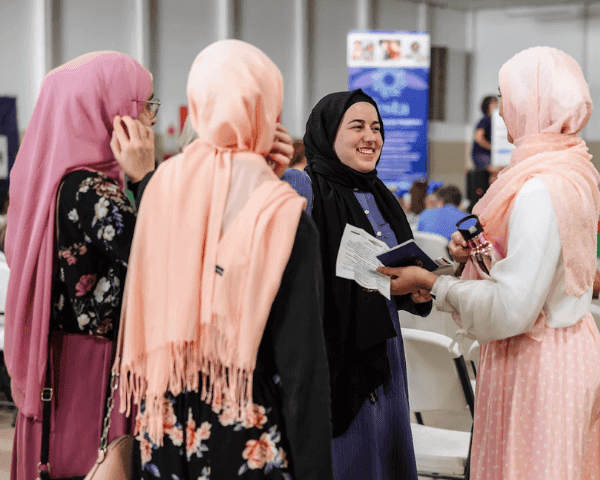
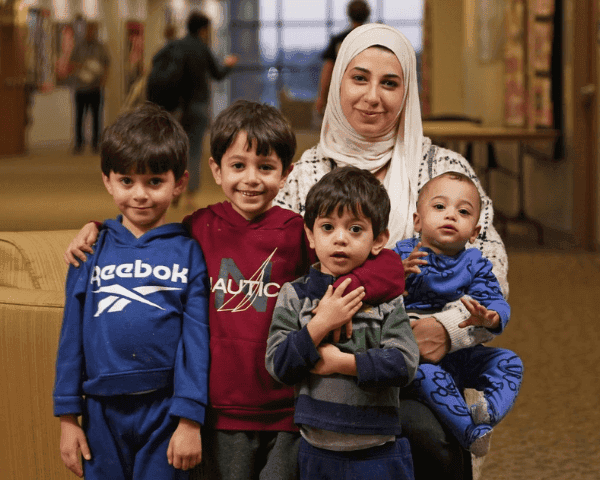
Within each person, both American and foreign born, you can see a tangible representation of how their lives have been changed from surviving to thriving.
Our big dream is that everyone in this country could see it and hear their stories. People need to see the humanity behind others' accents or the clothes they choose to wear. The surgeon general has declared that there’s a loneliness epidemic, and I think that if people can hear the stories of these relationships, they could be life changing.
You recently received a Welcome.US Welcome Fund grant. How are you prioritizing this funding, and what kind of impact will it have on your work?
A lot of that funding will go toward this documentary and our promotion methods for it. We’re hoping to hold private showings and, following the [film] festival run, find other opportunities to show the documentary to the community.
To do all of this, the costs add up. We have to rent a theater, create promotional materials, and have our staff for the event, and all of this comes with a price tag. With this extra funding, we can help host events that not only let people see the documentary but also lead discussions and advocacy conversations [afterward].
What are the most immediate and impactful ways that our Welcomers can support the work that you do with Festa?
Once the documentary is out, we hope everyone watches it and uses it to connect with others—to invite people to have a conversation with you who might have different views, and see how we’re all more similar than different.
In my dream world, I would want to see a 3-Generation ESL program in every major city in this country. There is an enormous, desperate demand from people have to learn English and a tiny supply of adult English classes. I invite you to see what already exists in your community and what it would take to expand or start a family English program that serves infants to grandparents by engaging community volunteers.
You could serve 5 families with a handful of volunteers to serve your neighbors and spark people building relationships across lines of difference then watch them all go from surviving to thriving.
There are so many bad things going on in the world, but there are also many beautiful things, and we can do more of that. The world has only ever been changed by single individuals like us, so we must continue to do so. We can all find ways to serve our neighbors.
Stories of Welcome
December 08, 2025
Sign up for updates about Welcome.US, policy changes impacting newcomers and how you can get involved.