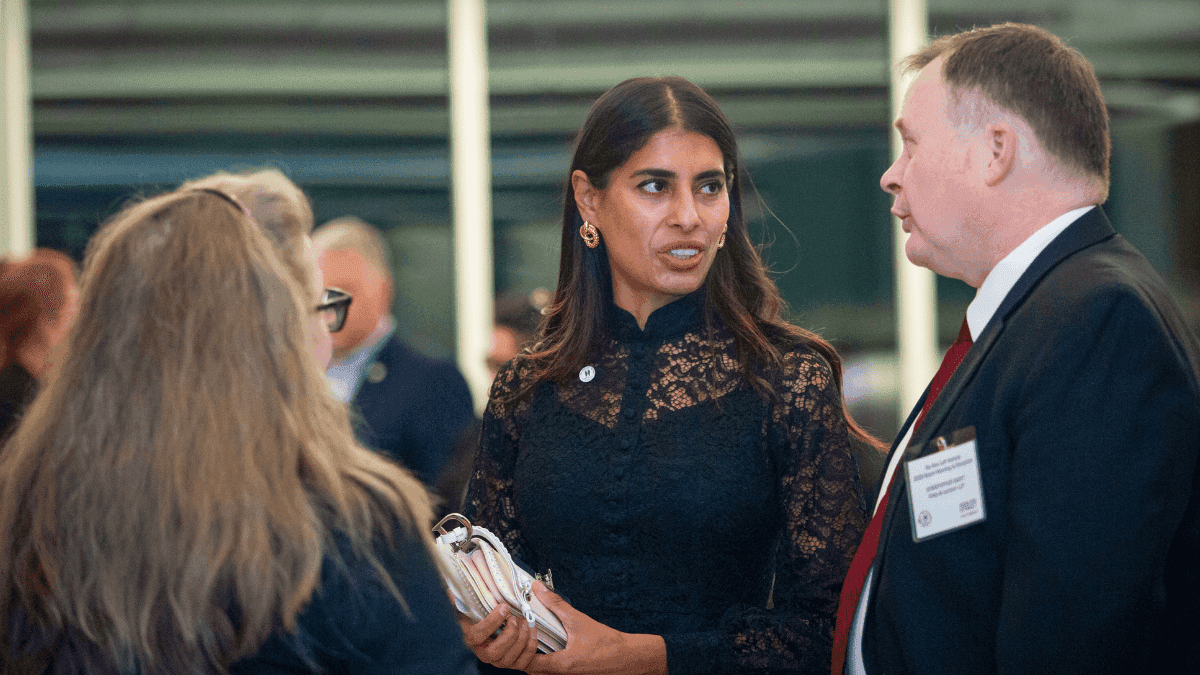
A Q&A with Noor Greene of No One Left Behind
As a refugee from Iraq, Noor Greene understands the incredible challenges and joys that come with resettling in the U.S. When she joined No One Left Behind (NOLB) as COO over two years ago, she felt a special connection with the veteran-led organization and saw her family in the faces of those NOLB welcomed. Welcome.US spoke with Noor about how—despite new obstacles and challenges—NOLB pivoted to continue welcoming our Afghan allies this year, and why the U.S. remains an incredible place for newcomers to find safety and fulfill their dreams.
What drew you to No One Left Behind and its mission to support our wartime allies? Was there a particular experience that made this work meaningful to you?
I was born and raised in Iraq. On Aug. 15, 2008, I entered the P1 process as a refugee and was resettled by the International Rescue Committee (IRC) in Atlanta, Georgia. I came here with my family, full of hope for a better life. Throughout the process, I've had countless incredible people who have supported us, from churches to volunteers who showed up at our homes bringing resources, putting together meals, or making toys. We had somebody who came over and just taught us English, people who connected us to jobs, and so on.
Fast forward: after arriving in the U.S., I applied for a job at the Defense Language Institute in Monterey, California, and I taught Arabic to U.S. forces. I was very touched by the amount of curiosity and love for language and culture these U.S. personnel had, and I made many wonderful friends.
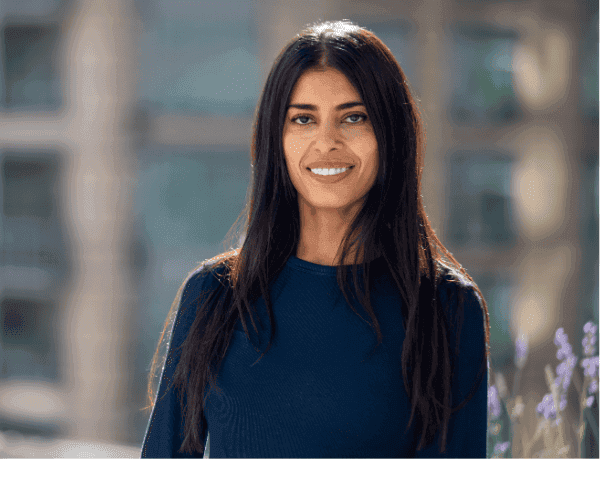
Throughout my life, I’ve had this connection with veterans, which is an odd connection to have as an Iraqi, because it doesn’t seem natural. What's interesting is, the veterans and the people on the ground—Iraqis or Afghans—actually have the most accurate understanding of the other side because it's not clouded by media perception or influence. It’s just raw understanding.
When the withdrawal from Afghanistan happened, I was working at a magazine producing videos, and as the evacuations started, I went to volunteer with the IRC.
I had such a hard time figuring out how to help. I was telling my boss at work, and he said, “Well, Noor, why don't you make a story about it?” I started to look into it, and then stumbled on these private organizations, led mainly by veterans who stepped in and were evacuating Afghans out of Afghanistan. I ended up producing that documentary, and that’s when I met Mariah and Doug (of No One Left Behind). Once you meet Mariah, it's over—you are now a No One Left Behind agent one way or another.
I had it in my heart. All of a sudden, one day, No One Left Behind had a COO position open, which was my job at the time. It was just an easy switch—the rest is history. Now that I am on the other side, I feel I get to pay it back. That is my “why.”
Four years after the fall of Kabul, more than 130,000 of our wartime allies still remain in danger abroad. What are some of the biggest factors preventing their evacuation or resettlement, and what does that mean for the people still waiting for safety?
A big obstacle has been the process itself—it is very slow moving. With the evacuation and the withdrawal, what complicates it is the significant disruption that comes with an administration change. It takes a while for staff to shift, then resources get cut off, and they get moved and changed around. There's really no permanency to the (Special Immigrant Visa) SIV program. It doesn't have a set strategy year to year; we're just starting over from scratch, which makes it hard to plan at multiple levels.
Earlier this year, we had an even bigger change. Although our clients were exempt from the visa requirement and the travel ban, they were affected by the cancellation of IOM flights. We entered a year wondering what would happen: whether there would be a travel ban and what we would do since our clients couldn't get out. Programmatically, we geared ourselves to think more about long-term advocacy because we felt this was coming. And the complete opposite happened to us.
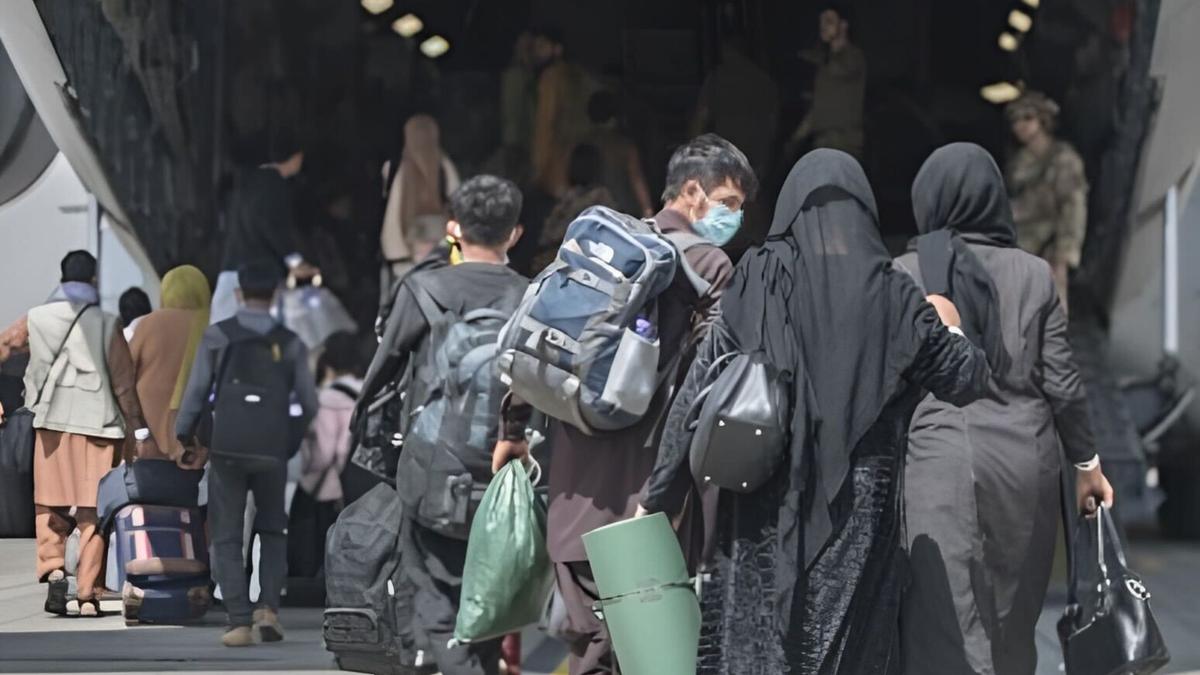
We ended up being the only organization with clients who could actually leave Afghanistan. On Valentine's Day, we had our board meeting and booked our first flight ever. What we ended up with is tens, and then hundreds, and now thousands of SIVs who had a U.S. stamp on their passport, who were facing deportation back to Afghanistan. We expanded our budget, built internal capacity, hired a travel agency, and started coordinating flights for everyone with U.S. visas. Right now, No One Left Behind is essentially stepping in with IOM flights and figuring out which other needs still exist. That covers everything from medicals to visas available in third countries to processing exit permits, and so on.
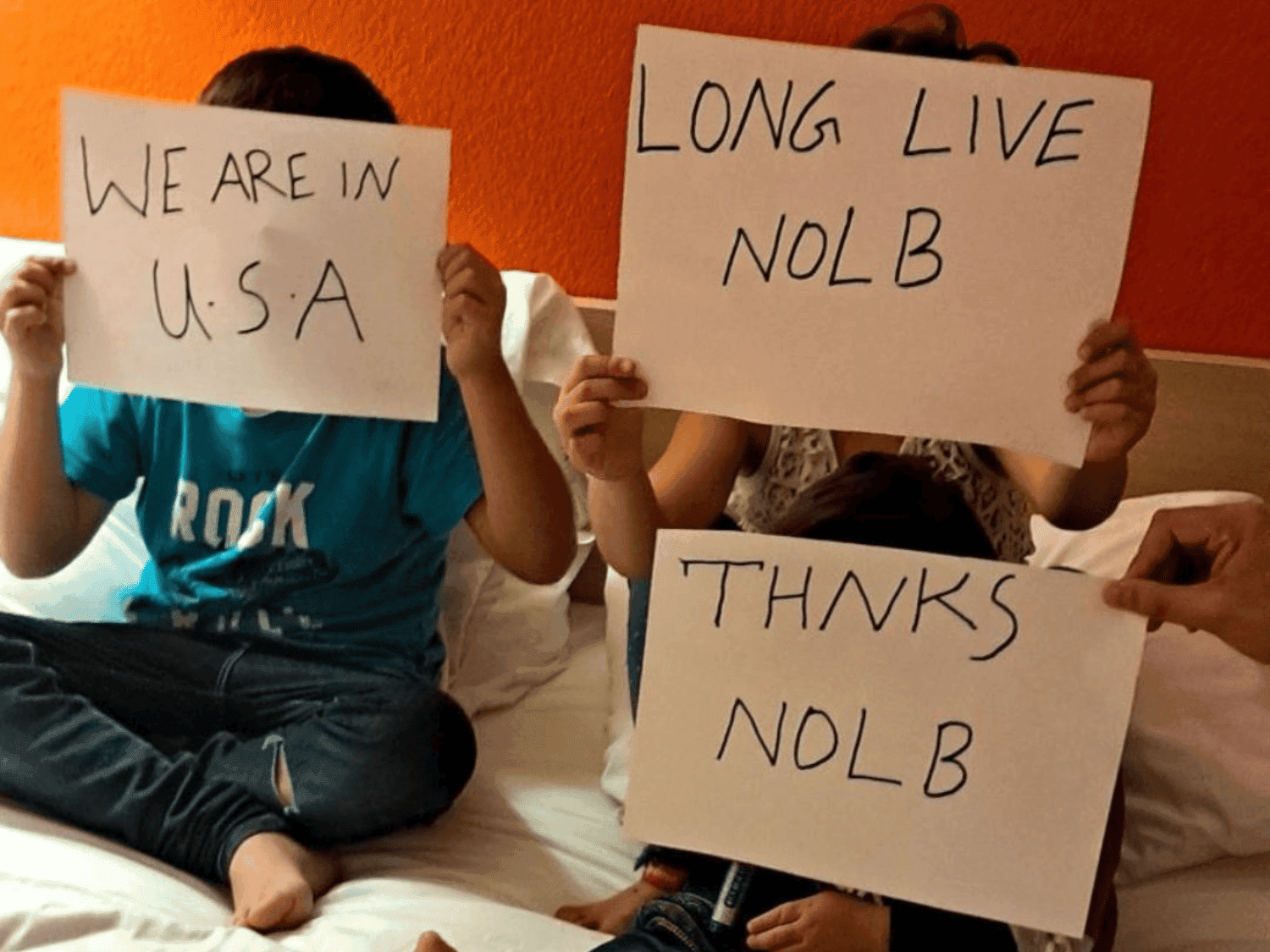
Knowing that resettlement agencies were essentially paused, we were very concerned about bringing people in without the ability to support them upon arrival at the airport. Mac Slaughter [resettlement coordinator at NOLB], an incredible human being, cultivated a network of private sponsors who were eager to step in.
We find ourselves in a dynamic, urgent situation every few months, which makes it hard for us to plan long term. What we found was that the most helpful thing for us was having some existing operational capacity on the ground, because that gives us a way to connect.
What is the biggest challenge faced by Afghan newcomers who are currently rebuilding their lives in the U.S.?
No One Left Behind in 2025 is very different from how we looked in 2024. The way I think about our mission is that we are a net that catches anything that other processes miss, or an umbrella once the process doesn’t exist. We're constantly shifting between those two scenarios.
There are two distinct needs for the SIVs we're serving. The first one continues to provide less immediate or urgent, but still significant, support, like having credit and a network of mentors. Integration is also a significant challenge facing SIVs. The system is overburdened no matter what, so it’s only worse at a time of crisis.
For the people who we've helped after their arrival, it’s those resources and culture orientation, whether it's understanding their benefits, understanding what is available to them, how to go to the doctor, or how to get an ID, and so on.
No One Left Behind’s mission is fueled by veterans, sponsors, and Welcomers across the country. How has this network of supporters and your team strengthened your operations and advanced your mission?
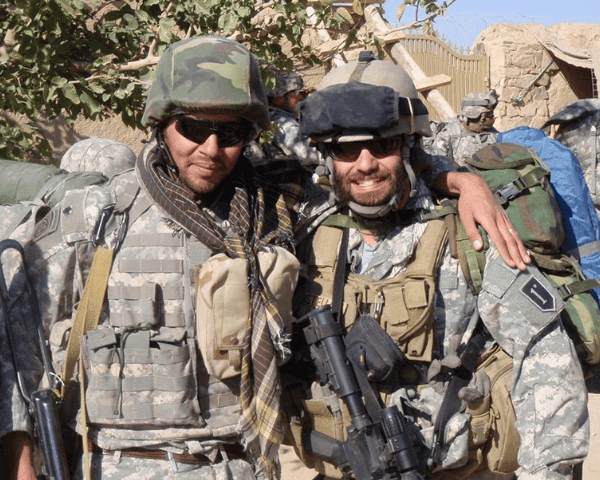
Having veterans on our team provides two very important things. Number one is the experience that goes with it, because, at some point, they were colleagues, interpreters, or people who worked alongside them. And the second one is a passion, which you cannot really teach.
Every single person on our team is incredibly valuable. There is so much spirit here, and it’s essential to show how infectious that spirit is to all of us.
Advocacy is a pillar of the organization’s work. What key policy or legislative priorities are you focusing on right now, and what progress or challenges have you seen this year?
Our biggest goal is to extend the SIV deadline beyond the end of the year. It's going to expire on Dec. 31. We also want to expand the number of visas available, which is right now under 8,000. We have over 100,000 people waiting; 8,000 won't cut it.
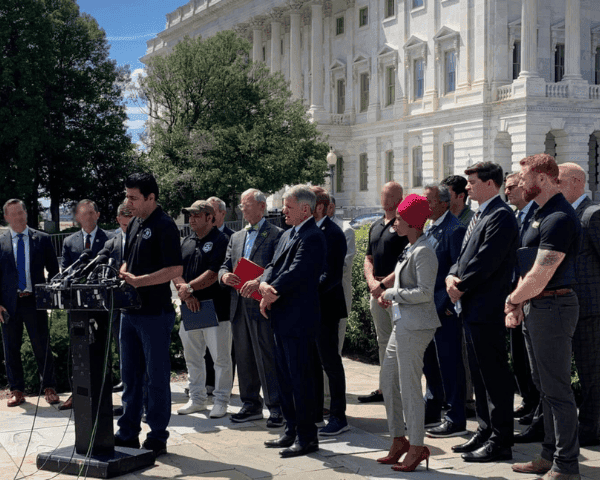
There are a lot of advocacy efforts that are really important in the long term, but without people continuing to come to the U.S. through that program, it's hard to prove the need for anything else. Our commitment to the SIVs and Afghan allies is strong. However, the political landscape has shifted, both in the administration and in Congress, and also, the rapid changes in U.S. policy make it very hard for us to get anything passed.
How can our Welcomers contribute to your work at No One Left Behind?
Because we're continuing our emergency plan to both fly and match SIVs in the U.S., two ways you can help with that process are to donate toward a flight or to sponsor a family.
There are many ways you could help sponsor a family. You can welcome them at the airport. You can help them with housing. You can help them with cultural orientation.
The second thing is to subscribe to our newsletter. This is where we do our major updates. We host many webinars on the significant issues facing our SIVs. We update on the number of people we have moved, evacuated, and any policy changes that are relevant to our process. It's going to be in our newsletter.
And I would say spread as much awareness as possible about how vital our Afghan allies are. They are still in limbo in this process, and they deserve to be here and for us to keep our promise.