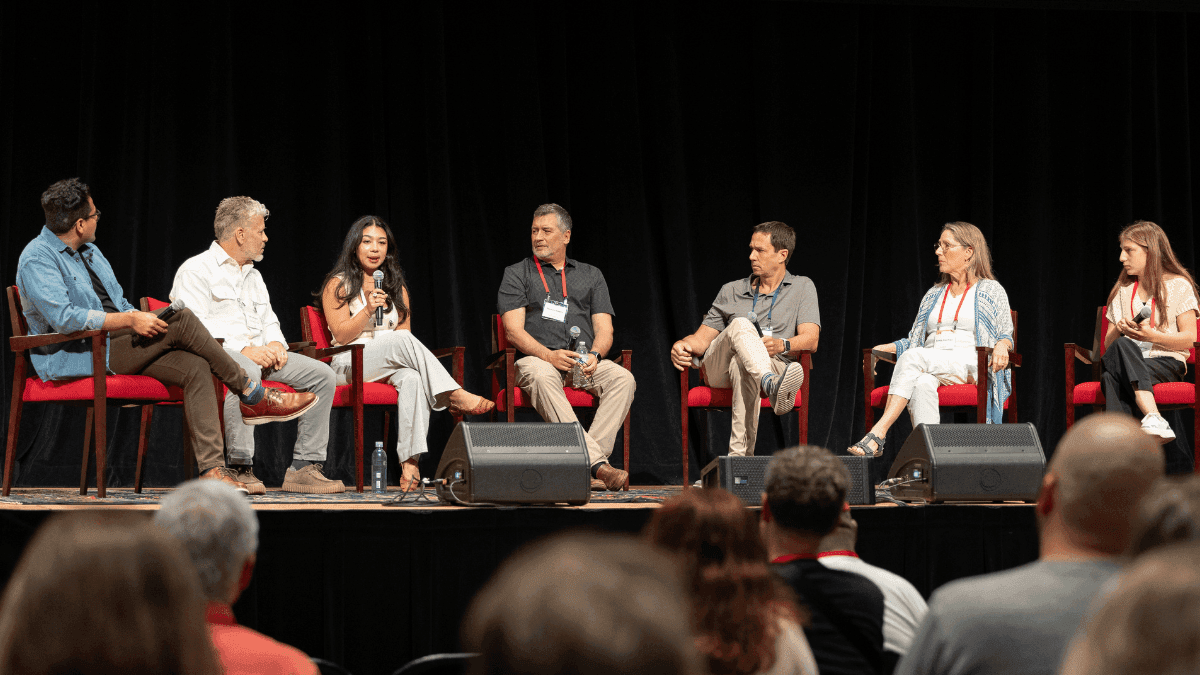
A Q&A with Maury Giles, CEO of Braver Angels
With more than 80,000 subscribers, members, and volunteers nationwide, Braver Angels is working to bridge America’s political divides by bringing people together across differences. Through conversation, collaboration, and meaningful action, the organization helps people better understand each other’s perspectives, discover common ground, and turn those connections into solutions for a stronger America.
Welcome.US spoke with Maury Giles, CEO of Braver Angels, about what it means to be a courageous citizen, why taking action across divides matters, and how this work connects to welcoming newcomers and building stronger communities.
Braver Angels aims to inspire and equip Americans to practice “courageous citizenship” across political differences. What is courageous citizenship, and why is it central to your approach?
Courageous citizenship means taking ownership of the role we, as individuals, play in the American system of government. The radical idea proposed 250 years ago is that we could and should have the right to govern ourselves.
In this day and age, we’ve lost sight of how to disagree. To do it accurately, then find common ground, and then co-create solutions, it takes courage.
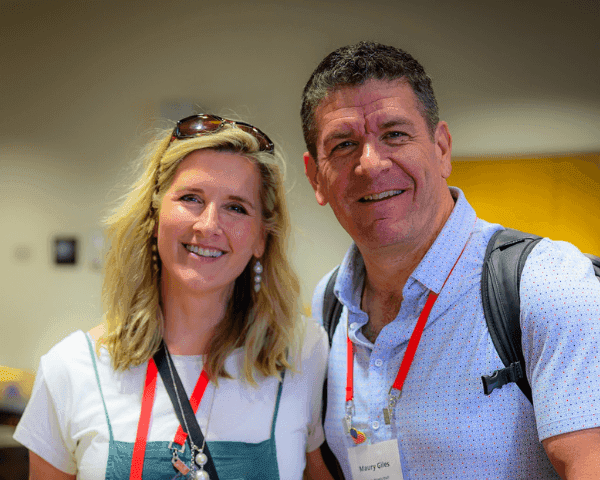
This is a counterculture conversation. Most systemic incentives today reward the opposite behavior, so we’re trying to encourage two parts of this concept: the courage to sit at the table, lean in with curiosity, not contempt, and then discover common ground and build something together. This is how we pursue a more perfect union. We still don’t have it, and it requires recognizing that citizenship is built by building community with one another.
One interesting thing that we’ve discovered in this process is that we as people fear “social death” more than we fear physical death. This explains why we engage in what I call “social road rage.”
So many signals are being coded into our behavior—the words we use, who we choose to vote for—that it’s no longer I agree or disagree, it’s “I’m good, and you’re evil.” This becomes a human connection issue, and that’s why we feel that dialogue matters in an effort to solve problems together.
Dialogue for dialogue’s sake is not enough today. What we need is to learn how to intentionally build together across differences. This is core to our strategy, and is what we mean by courageous citizenship.
Braver Angels is built on a commitment to equal representation across ideological lines, with a 50/50 balance of political views at every level of leadership. Why is this balance essential to your work, and what does it look like in practice?
This 50/50 split has been central to our design from day one; it’s what sets us apart as an organization. If you’re talking about depolarization and really want to intentionally build across differences, you have to mean it and be open to understanding that every belief is critical to have at the table.
At every level of leadership in the organization, we have a strong discipline. You can’t start a Braver Angels Alliance unless you have both a conservative and a more progressive leader. We don’t want this to be Republican and Democrat; it’s conservative and progressive—giving people a chance to identify their ideological home as many reject partisan ideologies.

You can’t build together across differences if you’re only finding people who agree with you.
You have to create an environment where everyone is welcome, and not just by name, but where they are truly welcome and know that no part of the conversation is aimed at changing beliefs.
What I love about this is that without fail, people always discover that they’re far more like each other than they ever thought.
We see differences as bad, but our greatest strength is difference. We think people choose their opinions, but science tells us we experience them, and our life experiences shape how we view the world.
If you ask someone about their life experience, it reframes everything. It’s no longer about control or winning; it’s about learning and understanding. When we learn from one another, we can build. This is why representation matters.
Your local alliance chapters across the country are the “boots on the ground” for engagement opportunities. How do these alliances bring neighbors together to address issues that matter in their communities?
When we help form alliances, we’re trying to empower them to inspire and equip themselves and their communities to practice courageous citizenship. We provide a toolkit to get started, including recruitment, meeting cadences, and skill-building workshops, all in the spirit of cultivating courageous citizenship and collaborative action.
We believe that once you can develop the personal skill of engaging with curiosity rather than contempt, you’re in a position where you can work with others through lines of difference. A big part of this is providing training on how to engage and organize with people you may not align with.
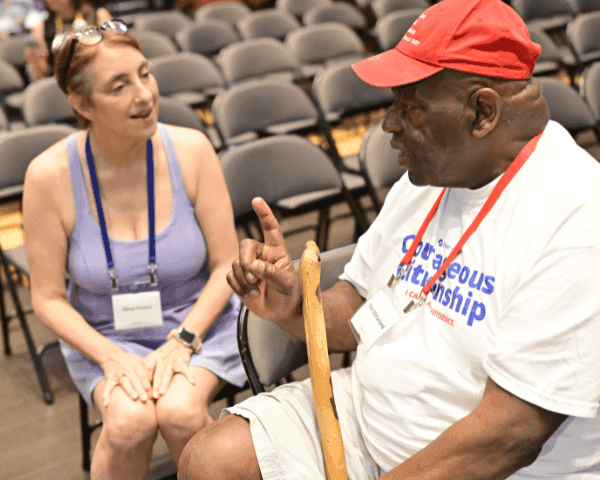
Local alliance chapters work as civic hubs, bringing people together for these important conversations and reminding communities to engage with each other and their local government. What matters most is remembering that we all have the agency to choose to act instead of react.
This model matters because, at the hyperlocal level, people can really make a difference. This allows people to see and experience unexpected public acts of courage right where they live.
On both the local and national level, why are strategic partnerships important, and how do they help advance policy change efforts?
The National Civic League has a list of organizations working on causes related to depolarization and civic renewal, and it’s around 12,000 organizations. When you dive into that list, you'll find that 97% are hyperlocal.
Now imagine if you could discover what all of those groups are working on; that’s what we’re doing with our alliances. We’re building a tool so that if you’re a member of Braver Angels, you can find these groups in your community and learn about other organizations doing similar work.
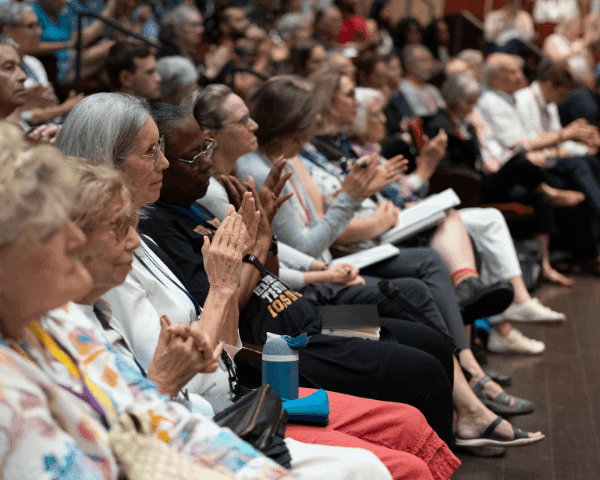
We believe 15 million Americans would raise their hand in support of courageous citizenship. This doesn’t mean that they will join Braver Angels; in fact, almost all of them never will. They may join some other organization that serves a similar purpose, or they may behave in a way that embodies courageous citizenship without an organizational tie.
This happens when organizations find ways to help people discover one another. Braver Angels alone can’t change the culture, but we can be the catalyst for bringing the people together who can.
How do your national initiatives strengthen trust and bring about action that people can see and feel in their communities?
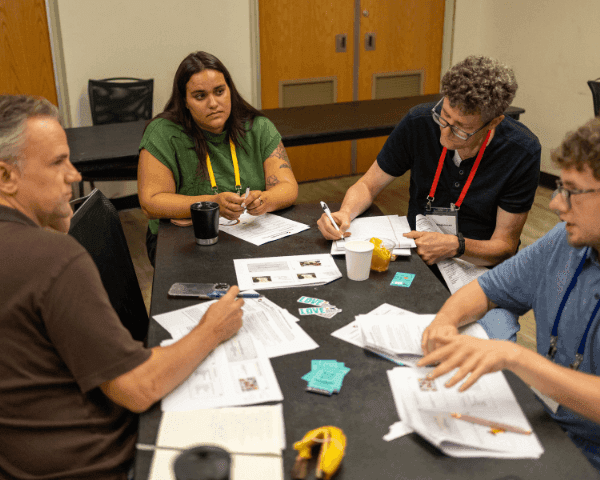
We’re currently in the second of three years of the Citizens Commission on Immigration. This is a national-level initiative, but it's driven by local events through our alliance chapters. In this series, they hold a common ground workshop with six to 12 people with varying opinions on immigration, and they come together to find common ground and reach a unanimous opinion.
After that, the same group connects with their member of Congress for a constituent conversation to share their findings. Doing this and showing an elected official how this group came up with a bridge-building solution starts a healthy, productive conversation.
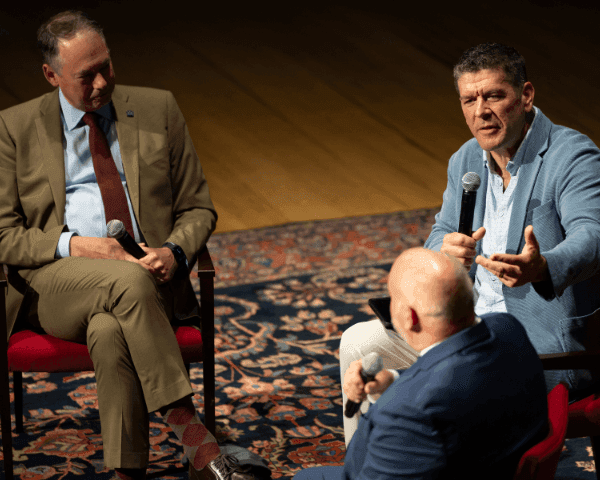
We also hold large-scale conventions every two years. The most recent one in Philadelphia was 900 people, the most ambitious we’ve ever done, with 171 speakers across 100 sessions over four days. We brought together 138 different partner organizations to expand our message and experience it in this large, dynamic group setting.
We are trying to seed as many unexpected public acts of courage as possible, because those inspire people. It’s one of the greatest sources of inspiration across the world.
How does intentionally building solutions across party lines create more opportunities to welcome newcomers and strengthen communities across America?
The cultural change we’re after is more than conversation; it's action and strengthening our social fabric. As it relates to newcomers, we are inspiring people to connect back to their history, with generations of people passing down stories.
We have seen that people are so often afraid of being outside their own tribe and facing social decline that they’re willing to do and say things they wouldn’t normally do. The only path I see to make that change is individual agency, with enough people, to build a movement away from divisive politics.
When Americans can be Americans without the drive of performative politics, we are good people. We treat others with respect and kindness.
There’s a current framing of good versus evil, and we don’t want to be on the side of evil; we’re willing to challenge our own beliefs. What we don’t see, though, is that this polarization is artificial and not held by majority opinions.
There are things happening in politics right now that a lot of us don’t feel are right, but we have a way to make them right. Our system works. We don’t need contempt and isolation of people we don’t know simply because we don’t think we align with them ideologically.
We act like our differences are at the values level, but they aren’t; we just weigh our values differently from circumstance to circumstance, and that’s where difference starts to emerge. If we pause long enough to recognize and understand why people have concerns based on their values, we may see that we differ in experiences and perceptions, not in true values or morals.
My point is that if you don’t get down to the human experience, you won’t realize that your concerns aren’t as big as they seem, and different solutions can come together. That’s why Welcome.US is the perfect group to introduce our audience to.
I would love to see these new citizens participate in Braver Angels and bring their vantage point on why they came here, what it means to them, and concerns that they may have about the country. This is how we can create real culture change.
What is the best way for our Welcomers to get involved with your work?
The easiest way to dip your toes in is through our one-on-one conversations. You can go to our website, and our volunteers can schedule a conversation for you to meet someone new across differences like race, ethnicity, age, ideology, or even geographic region.
You can also visit our website to find an Alliance near you and join in. Experience how different it feels from everything else you hear politically. We need to understand how to engage productively in those conversations, and these meetings are a great place to do that.
When you meet somebody and see them as human, as a fellow American, that’s building community. If they are here—despite immigration status—engage with curiosity and dignity, start conversations, and you may learn something new.
Images taken by Jeff Sevier and Natalie Gomez
Braver Angels is a coalition partner of the Welcome.US Citizen Guide program.
More stories of welcome