A Q&A with Zerqa Abid of MY Project USA
MY Project USA is the largest Muslim social services organization in Ohio. The non-profit is dedicated to protecting and empowering young people through education, social services, civic engagement, and advocacy. The organization offers a wide range of youth development programs and community initiatives that strengthen families, reduce risks, and build leadership among underserved populations. Welcome.US spoke with Zerqa Abid, the founder, president, and executive director of MY Project USA, whose leadership has guided the organization’s vision and growth.
What is MY Project USA's mission, and how does it inform your operations and long-term strategy?
Our mission is to be a catalyst for protecting and empowering youth by uplifting families through education, social services, civic engagement, and advocacy.
So, that means two things. The first is keeping kids safe from trafficking, gangs, guns, drugs, and exploitation. The second is equipping them and their families with the skills, support, and opportunities to thrive. We invest in a full continuum of services, including immediate safety, helpline, food, clothing, legal, and housing referrals, as well as stabilizing counseling, a free clinic, basic needs, and empowerment initiatives.
These initiatives include leadership labs, reading programs, workforce pathways, and social enterprise jobs. It all means we adapt to community realities.
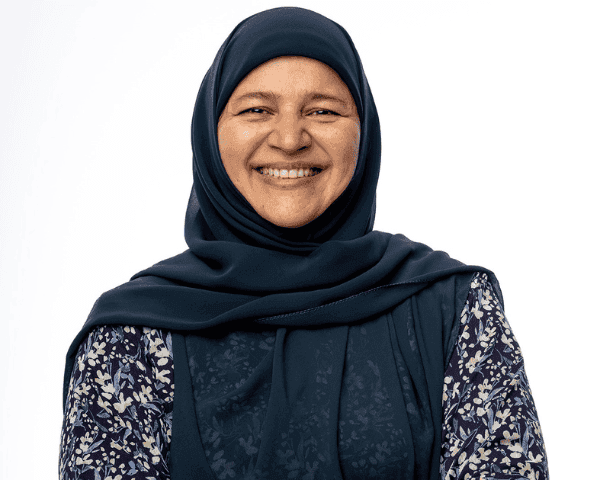
I founded this organization after learning that young Muslim girls were being trafficked from Columbus, Ohio, to places like Nashville, Tennessee, and even Minnesota. As a mother of three daughters, the thought that this could happen, and that no one seemed to be doing anything about it, kept me up at night. I could not ignore it.
When I looked deeper, I discovered that many of these girls were running away from their families. Vulnerable and alone, they were picked up by truck drivers who trafficked them across state lines.
Having grown up in Pakistan, I knew what it was like to be surrounded by extended family: uncles, aunties, people who cared. That sense of community shapes how I see the world. I realized we needed to create that same kind of safe space here, a place where teens and parents could connect, learn, and feel supported. Families need to understand that this is not Somalia, India, or Pakistan. This is America. The laws are different, the risks are different, and our children need protection from trusted people around them.
At first, I thought providing counseling would be enough. But I quickly saw that the challenges went much deeper. Food insecurity, poverty, and hunger were making children easy targets for traffickers, drug dealers, and pimps. So we had to expand, offering not just counseling but also food and other basic support. Keeping children safe means addressing the root causes that make them vulnerable in the first place.
MY Project USA has evolved significantly in areas we initially didn't think we'd cover, but they are all integral to our mission. To protect and empower children, their parents, and their families, we must take all necessary steps, short-term and long-term.
You mentioned earlier that it was eye-opening to see how many issues existed when you began this work. Over the past 10 years, have you noticed shifts or new challenges in your neighborhood?
It’s probably not that the issues shifted, but as the organization grew, we were able to do more. Hunger, poverty, and crime were always there, and it was clear that those had to be addressed from day one. What we realized was that the first step was stability, and that meant food, so the MY Soup Kitchen and MY Family Pantry came first.
We also realized quickly that we needed a clinic, a social worker, and ESL classes. The ESL program came right alongside the pantry, because if mothers want to communicate with teachers and understand what’s happening with their children, they need to speak English. Youth programs like MY Reading Warriors and Hilltop Tigers soccer club followed to keep kids away from streets and safe. Our first five years were mainly focused on those urgent needs.
We worked on creating safe neighborhoods and making sure refugees and immigrants felt secure. Our services provided wraparound support that empowered and protected them, but it wasn’t just for new arrivals.
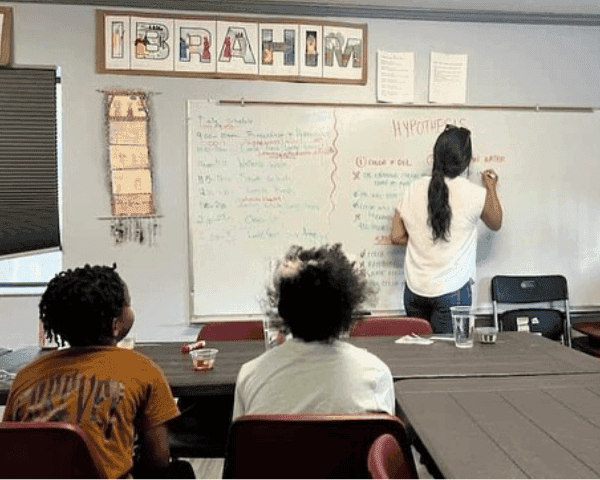
Once that foundation was there, we started to expand. When Afghan refugees arrived, we received our first funding from the Welcome Fund. It was the first time I could focus on newly arrived immigrants with ESL classes, driver's license classes, and driving lessons. At first, resettlement agencies provided welcome packages and housing, but after the initial three months of resettlement support, they couldn’t provide more services. That’s where we stepped in.
The soup kitchen, which we think of as our community café, started with hot meals right from the beginning. We went door to door at a local apartment complex that had a 95% refugee population, which at the time was known as one of the deadliest places in Columbus.
The people living there were not violent, but many had not attended school and could not understand English, so they didn’t know what was happening around them. They became part of this area that let kids be easy prey to trafficking, and we felt we had to do whatever we could to change the trajectory.
So we focused on basic needs, started youth programs, and worked on advocacy. My goal was to support young people who could speak English and were in school, regardless of whether they were in college yet. We asked, “How do we turn them into advocates?” We began creating programs designed to keep the community in the spotlight. That helped turn the youth and the community into advocates for themselves, and it made a real difference.
What are some of the underlying factors that make the youth you serve particularly vulnerable to issues like drugs, gangs, and trafficking?
The most critical issue, of course, is poverty, which leads to hunger. And this has been a motto at MY Project USA: hungry children are easy prey. We’ve seen it over and over again. Kids are hungry, and anyone can control them with a nice meal.

If you have children who have nothing to do, and their parents are away working one job, two jobs, then you’re talking about neighborhoods where children are often left alone.
That’s why we started the MY Reading Warrior program in 2016 and 2017. We had about 52 kids coming regularly to the daily programming, and it was because there were no parents around. You’re talking about 6-year-olds, 3-year-olds, 4-year-olds, walking outside just because they were with their siblings. The absence of youth programming leaves them seriously vulnerable.
What made them safe in our program was our approach. MY Reading Warriors took care of everybody. The teens ran it in the neighborhood themselves. We paid them, which gave them some extra income, and the parents were happy with us. The language and cultural barriers were overcome because the kids were from their own community.
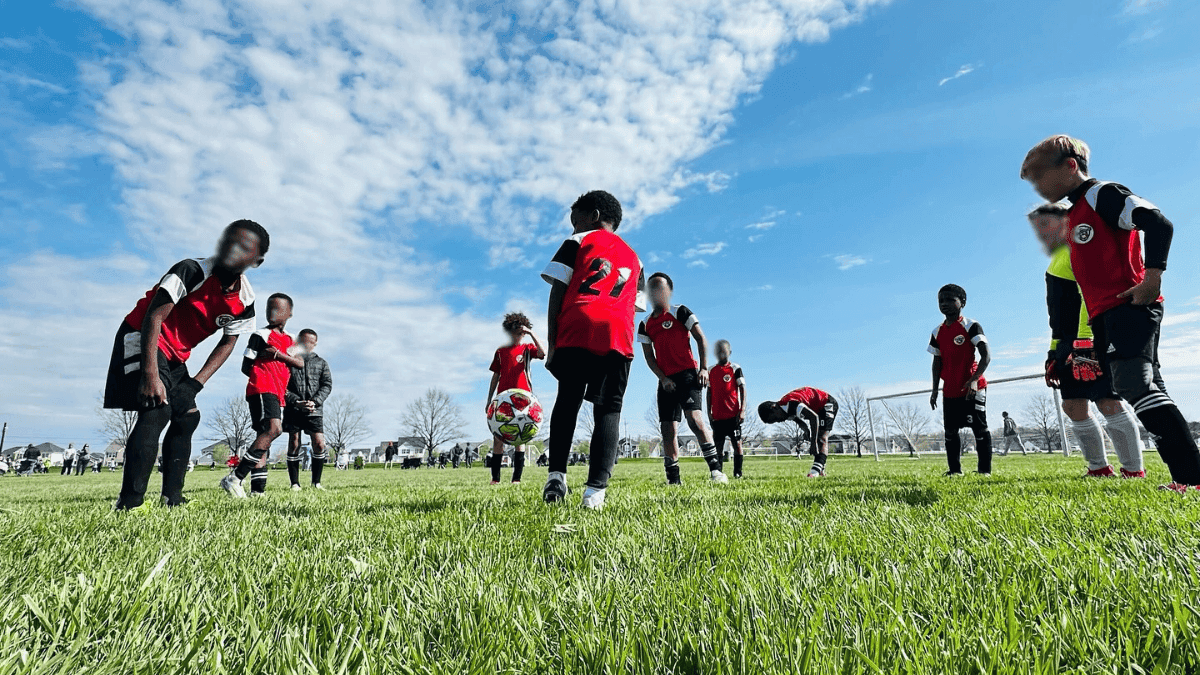
Then came the soccer program. That program has curbed the pipeline to drugs and gangs in this neighborhood. The Columbus police have said this. The Columbus City Council has listed our program as one of the top programs for reimagining public safety.
So yes, children are vulnerable when there is hunger, when there’s poverty, when there’s a lack of programming and investment in youth. But if you have youth programming, you can keep them protected because someone is checking on them every day.
You had mentioned the soccer program. How long has that been going on, and are you still doing it? The soccer program started around December 2017. That was when Wedgwood was called the deadliest location in Columbus by the Columbus Dispatch.
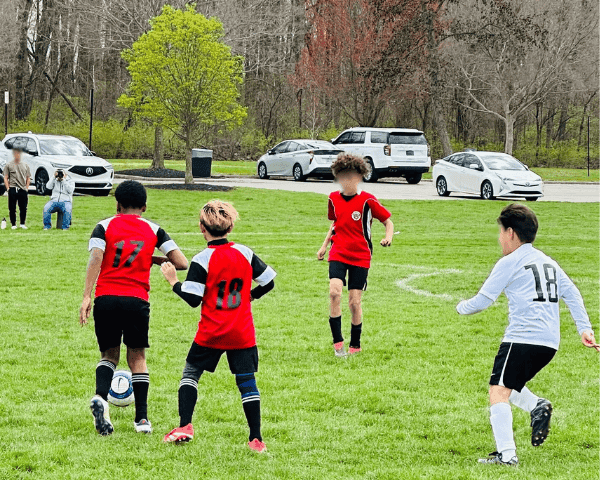
Our very first U-13 team became the champions in central Ohio within six months. It was such an achievement. From there, we grew to 150 children every year. We had several teams, from ages 17 to 18, and many of them became champions too. Our office is now full of trophies, plaques, and mementos from over the years.
Unfortunately, last month we had to pause the program. We don’t have enough funding right now to continue. That means at least 100 children in our neighborhood are without supervision, without daily meals, without the academic support and social-emotional learning that came along with soccer. We always used soccer as a hook. They all wanted to play. But once they joined, they also became part of the academic program, the ESL classes, everything else.
And it works. About 100 of our kids in the last eight years have been selected into the Columbus Crew Academy or recruited into Ohio’s Premier Soccer Club or Northwest Soccer Club, which are all very well-funded. Our kids play soccer year-round. They’re four times more talented and more prepared than other players in central Ohio.
These are kids who were written off, kids nobody cared about, kids people thought would become drug dealers or thugs. Instead, they are the champions.
What other programs are you currently running that support and empower the youth in your neighborhoods?
The pantry is operational, and we continue to serve approximately 10,000 people each month. About 800 to 900 families receive food from us every week. Our pantry is open four days a week, supporting a very diverse community: Somali, Somali Bantu, Afghan, Arab, Hispanic, and now more and more of our Black and white neighbors as well.
Alongside the pantry, we run ESL classes. We partner with Ohio State University (OSU), and a dedicated team there runs many of our programs. They’re all volunteers, but they have defined positions, written scopes of work, and they carry out their jobs as if they were paid staff. The ESL program is run with the Department of Language Access at OSU. Their students come twice a week to teach, and we usually have 15 to 20 people in class at a time. It’s open, so as people learn and move forward, new learners can join.
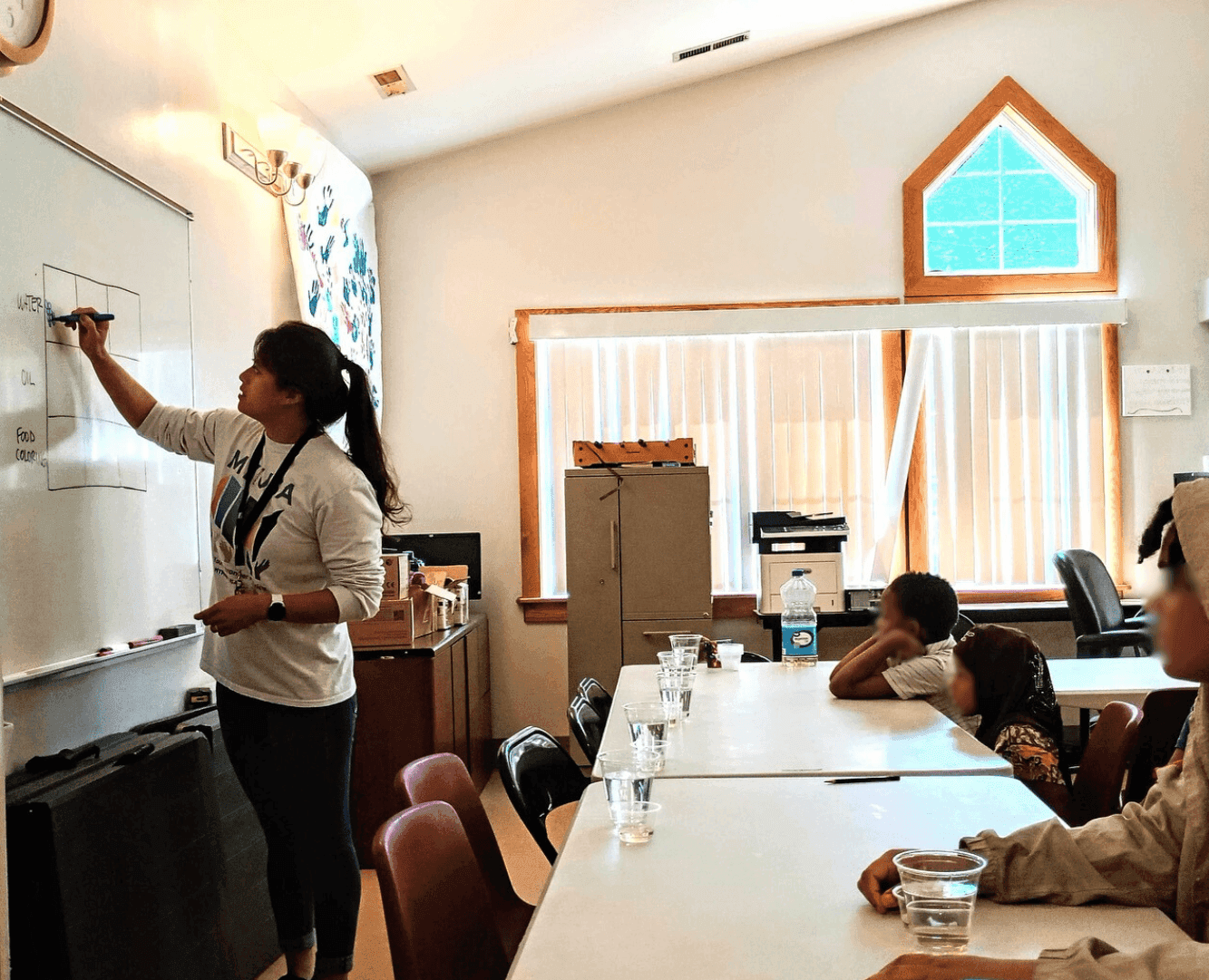
We also started a free healthcare clinic about three years ago. Last year, it became fully functional once we were able to purchase all the necessary equipment. We just received a $50,000 grant from the McKesson Foundation, which will allow us to begin offering cancer screenings, including mobile mammograms, right in the apartment complexes. We’re very, very excited about this.
At the center, hot meals are always available for anyone who comes. Right now, we don’t have the staff to go door to door like we used to, but families know that if they walk to the center, they will get food.
Do you have a particular story or example you can share of a positive impact on one of the kids you’ve served?
Sharmarke Abdi was about 12 years old when he was almost lost to gangs and gun violence. One of our coaches literally pulled him out of that gang situation. He has now graduated, and he’s working.
He has three brothers. Two of them were already in jail. But when he joined our program, he escaped that life. He became one of the best soccer captains and players we ever had, and then later became our assistant coach.
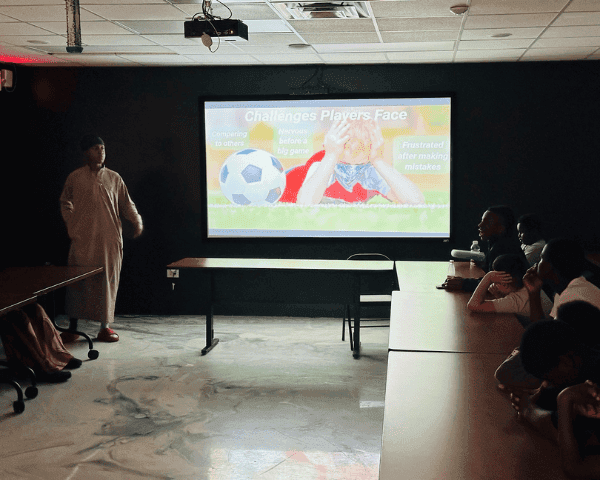
Now both Sharmarke and another one of our kids, Mukambira are in HVAC training at a local college. They’re also working full-time as security guards while waiting for our soccer program to resume. Sharmarke has talked about this publicly; he was featured in their story, where he said, “I would have been dead or in jail, if not for MY Project USA.” And we believe it’s true.
Right now, he’s paying the bills for his family, which comes out of a very, very dysfunctional background.
Young people like Sharmarke and Mukambira are standing up. They’ve testified at the Statehouse, at the Columbus City Council, and they’ve been on TV again and again. They have become pro-advocates. And this is what I’m most proud of.
In the last 10 years, MY Project USA has invested enough in the Bantu tribe that now we have a generation of young people who know what their rights are, what the standards are, what they should ask for, and what they should refuse to accept. That in itself is an excellent investment.
What are some ways our Welcomers can support your work, even if they’re not in Columbus, Ohio?
The most important thing I want to convey about MY Project USA is this: Many refugee settlement agencies focus heavily on new arrivals, and rightfully so. But for those who don’t receive the right aid on time, they remain significantly behind. Some families I serve are about 15 years behind. Even if they aren’t technically new refugees, a proper investment can change their lives. They can become taxpayers—productive members of the community.
My message is that while MY Project USA is not a resettlement agency, we are committed to long-term support, helping families become financially stable and self-sufficient. That’s the only way we can protect children from the violence, drugs, and gangs we see in these neighborhoods.
More stories of welcome