4 insights on humanitarian parole
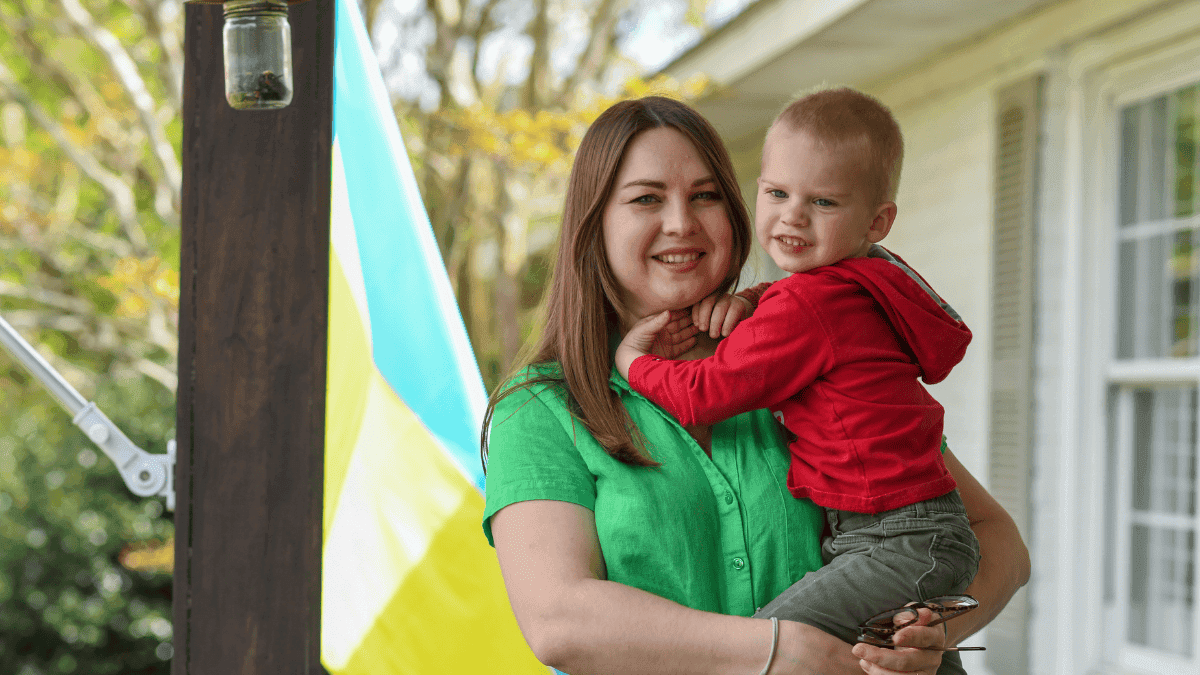
Humanitarian parole is a temporary immigration pathway, first introduced in 1956, that allows individuals facing urgent crises to legally enter the United States with legal status for a specified period of time. It is not a permanent immigration status and does not grant individuals a path to citizenship.
For decades, presidents of both parties have used this authority to help people fleeing violence and persecution reach safety while longer-term solutions are pursued.
At a moment when questions about the legality and purpose of this pathway are resurfacing, it’s important to understand what humanitarian parole is, how it works, and why it continues to matter.
Here are four key insights to keep in mind:
1. Humanitarian parole is a long-standing, bipartisan presidential authority
Humanitarian parole is not new, and it is not tied to any one administration or political party. For nearly 70 years, presidents have used it to respond quickly to humanitarian crises when existing immigration pathways were not sufficient.
Often implemented for specific groups (sometimes called “categorical parole”), it has been used repeatedly across modern history:
- 1956: 30,000 Hungarians were paroled into the U.S. following a national uprising
- 1959: Cubans fleeing the rise of Fidel Castro were granted parole
- 1975: Vietnamese citizens were admitted during the fall of Saigon
- 1980: The Refugee Act created a formal refugee system, clarifying the distinct role of humanitarian parole
- 2007: The Cuban Family Reunification Parole Program was established
- 2014: The Haitian Family Reunification Parole Program followed
- 2021: Afghans were welcomed through Operation Allies Welcome after the Taliban takeover
- 2022: Ukrainians and Venezuelans with U.S.-based sponsors were granted parole
Across administrations, humanitarian parole has served as a flexible, time-limited tool—used when humanitarian aid alone is not enough to meet urgent, life-threatening needs.
2. People entering through humanitarian parole are vetted
Humanitarian parole is not an open or unregulated pathway. It includes multiple layers of security screening and vetting.
Before entering the United States, applicants undergo background checks, biometric screening (such as fingerprints and photographs), and a review of supporting documentation. Additional screening can occur upon arrival.
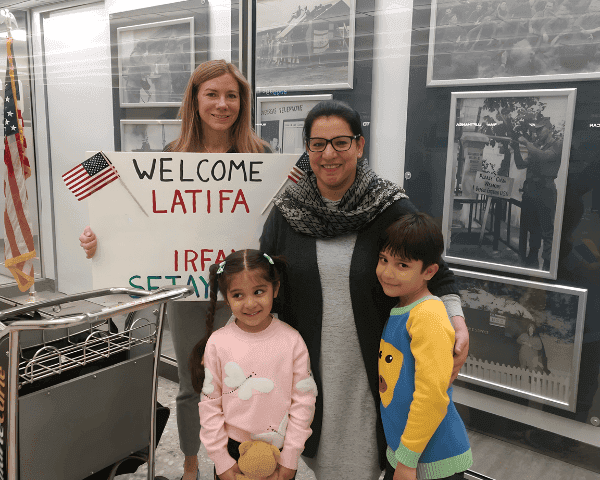
For many, this is only the beginning of a longer process.
For example, an Afghan who arrived through Operation Allies Welcome as a parolee, and fears returning home, may apply for asylum. That process includes further vetting, interviews, and background checks—and can take years. If granted asylum, they may eventually become eligible for U.S. citizenship.
In short: Humanitarian parole provides urgent access to safety, but it operates within a broader, highly regulated immigration system.
3. Private sponsorship makes “welcoming” possible
One of the most important recent innovations has been the integration of private sponsorship into humanitarian parole programs.
Programs like Uniting for Ukraine (U4U) and the processes for Cuba, Haiti, Nicaragua, and Venezuela (CHNV) required newcomers to have a U.S.-based sponsor who committed to supporting them before they were approved to travel.
This model strengthens outcomes for both newcomers and communities.

Take Anna, a Ukrainian mother who fled her home in 2022 after Russia invaded Ukraine. After struggling to survive in Poland, she discovered Uniting for Ukraine. Through Welcome.US, she connected with Mike, a retiree in upstate New York who felt called to help.
Mike sponsored Anna and her family, and what followed was more than resettlement. They shared meals, volunteered together, and built lasting relationships in their community. Mike’s support helped Anna’s family not just find safety in the United States, but to rebuild a life with stability and connection.
Their story reflects a broader truth: Government systems alone cannot meet every need. When communities step in alongside federal efforts, outcomes are stronger, integration is smoother, and the experience of welcoming becomes more human for everyone involved.
4. Humanitarian parole is an emergency tool—not a permanent solution
The U.S. immigration system is complex and, in many ways, outdated. No single policy can solve every challenge.
Humanitarian parole was never designed to be a permanent fix. It is an emergency tool—one that allows the U.S. to respond quickly to sudden crises, like the fall of Afghanistan in 2021 or the war in Ukraine in 2022.
Used effectively, especially alongside private sponsorship, it has helped the U.S. act with speed, order, and humanity.
But it cannot carry the full weight of a system in need of modernization.
Lasting solutions will require congressional action—modernizing visa pathways, clearing backlogs, and creating durable legal channels for people fleeing violence and persecution.
Proven potential
At a time when many Americans agree that immigration reform is needed, humanitarian parole, paired with private sponsorship, offers a glimpse of what’s possible.
It shows that we can uphold safety, respond to urgent humanitarian needs, and engage everyday Americans as part of the solution.
The question isn’t whether this approach can work. It already has.
The question is how we build on it.