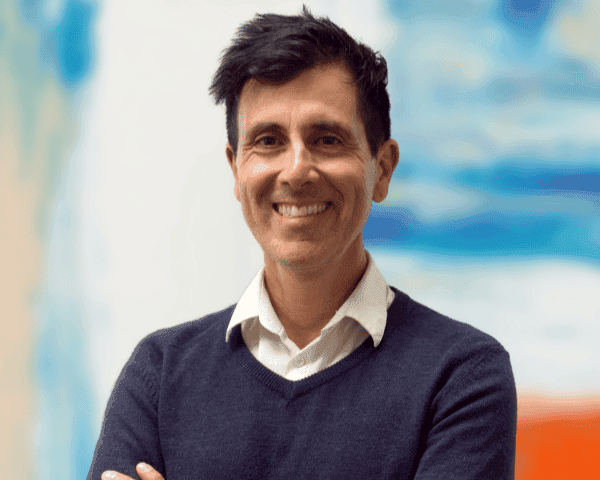
A Q&A WITH Frank Anello of Project Worthmore
What started as makeshift English classes in living rooms has grown into Project Worthmore’s robust network of programs. From Community Navigators to the Yu Meh Food Share and English Language Program, the Denver-based nonprofit helps thousands of newcomers find their footing and thrive in their new community. Welcome.US connected with Frank Anello, Co-Founder and Executive Director of Project Worthmore, to learn more about how these innovative programs help newcomers feel “valued, included, and empowered.”
As the founder of Project Worthmore, how has your vision evolved over the years to continue to meet your community's needs?
It took us several years to hone in on our strengths and identify barriers within our community. We do many of the same things as others, but we're asking: How can we do them better? How can we do it differently? What can we do to help the community? That's why we focus on our core programs that are designed to comprehensively meet the needs of the newcomer community.
We recently launched our Roots project, which takes us into the community to identify what's missing. We wanted to put together a location where essential services can fall under one roof. We are adding medical and behavioral health programming. Once the building is complete, we'll also add a legal clinic to help people with immigration issues.
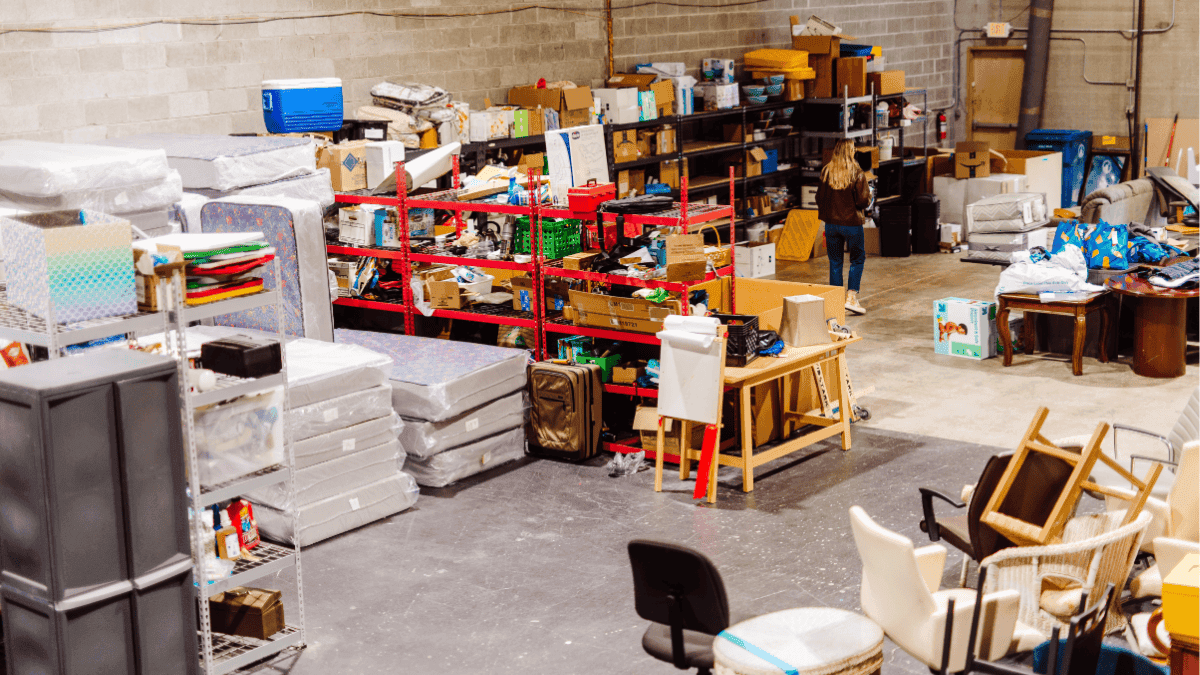
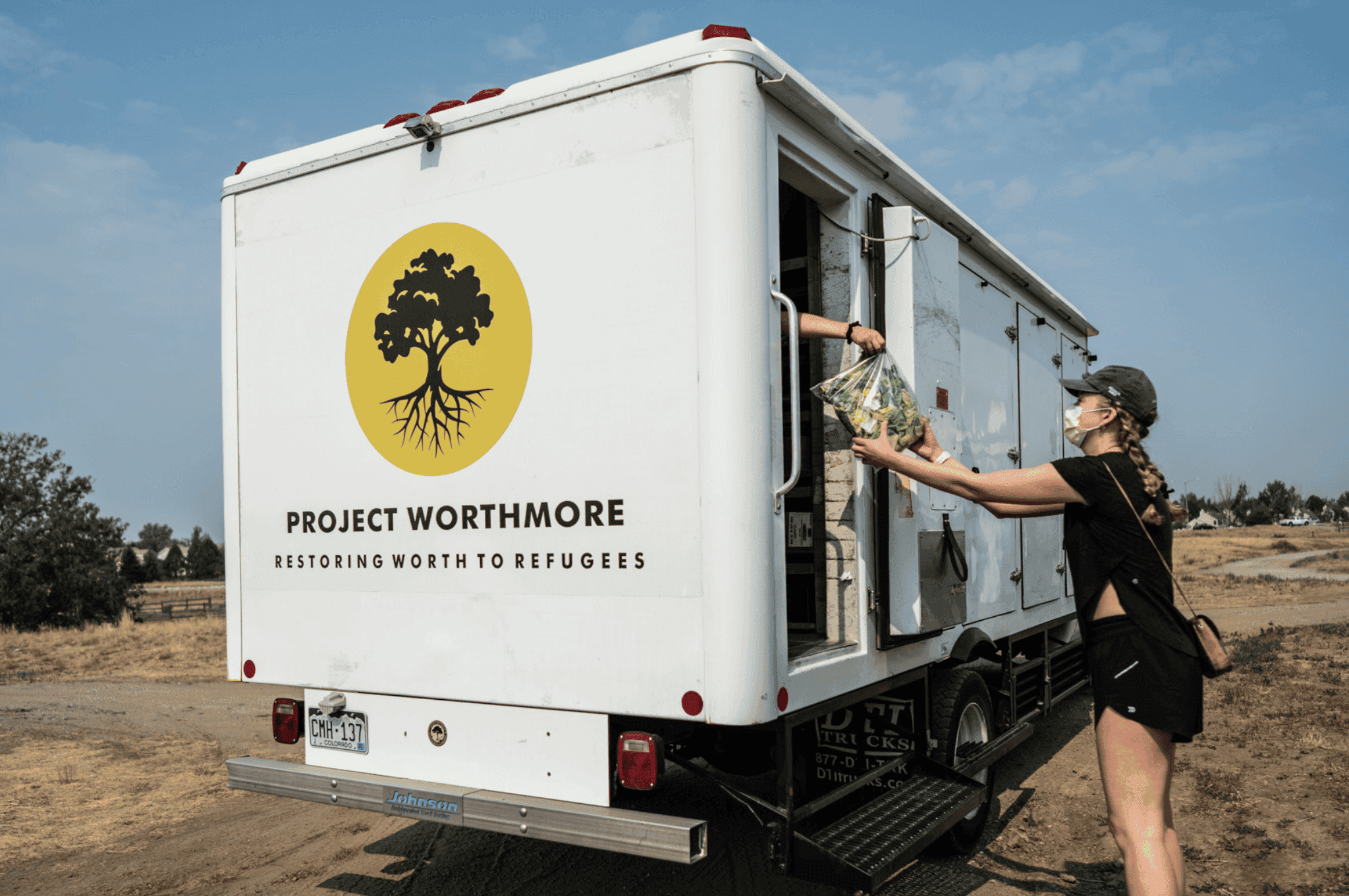
We're also expanding our food program, always looking for ways to improve our current offerings, especially now with a better space. For example, our food program has always been culturally appropriate, providing fresh food like produce, proteins, dairy products, and other unprocessed foods. That system has been operating in a tiny space, and there's only a short window that we can be open, so it causes a lot of congestion.
The new space will expand from 400 square feet to 1,600 square feet. We’ll have a loading dock and create a more dignified, market-style shopping experience. Instead of people waiting in long lines, they’ll use grocery carts and move through the space as they would in a store. This approach shifts away from the typical line-based system—often associated with refugee camps and food distribution—and aims to offer a more respectful, empowering environment.
This August, we're excited to partner with you on a virtual donation drive to collect back-to-school items and home essentials for refugee families. From your experience, how do efforts like this help families meet immediate needs while building a foundation to thrive during the school year?
Our clients have to make difficult decisions all the time. When you have limited funds, you’re now faced with a tough decision: Do you buy a $140 monthly bus pass in Denver, or do you buy diapers for your daughter? They’re worrying about how they get to work and English classes; how they can attend everything they need to while also spending more on transportation and childcare.
These are critical decisions that people have to make. You can't buy many of the items on our donation list with food stamp benefits, but you can use the starter kit you can get from us every month.
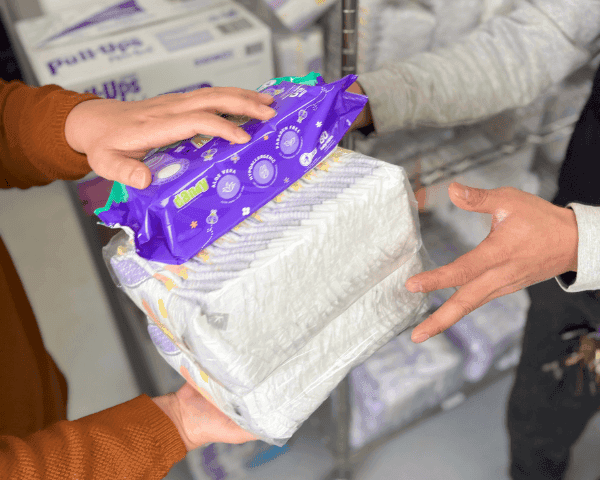
We have a diaper partnership with an organization called Wee Cycle, where we give out around 16,000 diapers each month. They do the drive, and we're just one of the recipients, but that’s just one of many necessities.
It’s a critical piece to ensure people have access to essential hygiene products, including toothbrushes, toothpaste, shampoo, and detergent for washing clothes.
For families with children, they’re already going into school and feeling pressure—you're the person who looks different, the person who may not speak English. If we can provide them with what they need, they'll automatically feel like they're part of the student body, rather than someone starting over. We need to realize that people are showing up here with just a couple of suitcases and are starting over.
In addition to essentials—like school supplies and hygiene products—families need services and resources that help them navigate a new environment. How do programs like Community Navigators and Understanding Neighbors help families find their footing in their new community?
Community Navigators was one of our foundational programs. Before I had any staff, I would go into homes and help people. This simple act of being there to help turned into the Community Navigators program. Our navigators are “yes people.” And if they have to say no, they can provide the resource that's going to say yes. This is an entirely different offering than a case manager at a resettlement agency.
They're helping them find housing. They're having them find dignified employment. They're helping to enroll their kids in schools. They're supporting moms and dads as they learn English and attend parent-teacher conferences. What sets us apart is that there isn't a timeline connected to our funding.

We can help someone from the moment they arrive until 20 years later. We've intentionally created a model that enables us to provide the types of support that help families adjust to the community.
The Understanding Neighbors program provides us with an opportunity to understand what people need and want, as these needs and wants are likely to change. Every population has different needs, and over the past 15 years, we've observed a shift in preferences and demographics, such as the influx of Congolese over the past four or five years.
We regularly bring these different groups together to identify their struggles and determine how we can assist with those issues for them. We’ve started a program called On Together Tuesdays, which is a language exchange under Understanding Neighbors. We advertise to people interested in learning the basics of Arabic or Swahili, for example, and then our clients get to become the teacher. This is just one example of trying to build community and give people an opportunity not just to be the one receiving, but also someone who's giving.
For newcomer children, language and cultural barriers can make it more difficult to integrate into a new neighborhood or school. What are some ways that Project Worthmore helps kids feel supported and build confidence?
Many of the parents we work with are non-English speaking, but their kids might have some English skills. We have to look at what happens when the kid suddenly becomes the person in charge. It's as if they're in charge simply because they speak English. Because of the language barrier, these parents may not have the ability or opportunity to know how their child is doing in school.
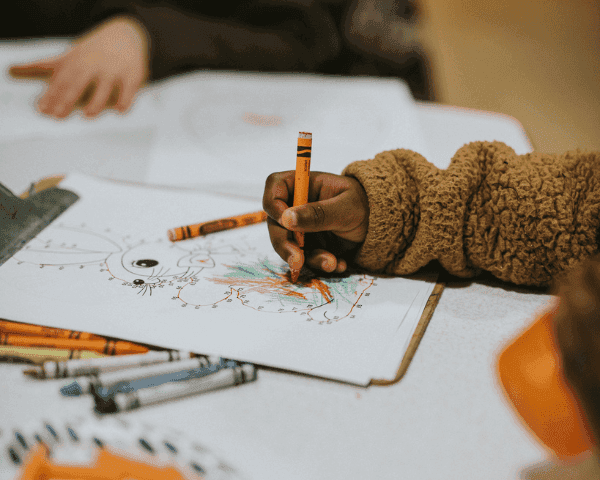
This is where Community Navigators come in to check in with the families. They provide support throughout the school year. From parent-teacher conferences to other school events, they’re there to help.
There's so much that we take for granted. You come home, mom and dad give you a snack, they’ll get you started on homework, and you might watch a little TV.
But if your parents aren't home because they're working two jobs, who's there to make sure you're not going to fall through the cracks? This is one of those pieces where the navigators who are part of our volunteer program are so vital.
You've discussed the importance of fresh food and accessibility, and you've also established the Yu Meh Food Share and the Delaney Community Farm. How do those services help families in your area grow and thrive?
Clients often ask, “How do you measure self-sufficiency? How does someone become self-sufficient through Project Worthmore?” Every organization gets that question. We can look at self-sufficiency in many different ways.
For us at Project Worthmore, being self-sufficient means someone no longer needs food service. They no longer need case management navigation. They're just coming for routine dental and medical checkups.
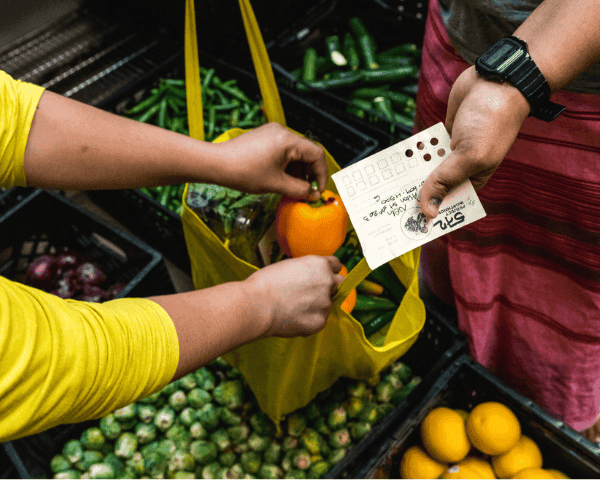
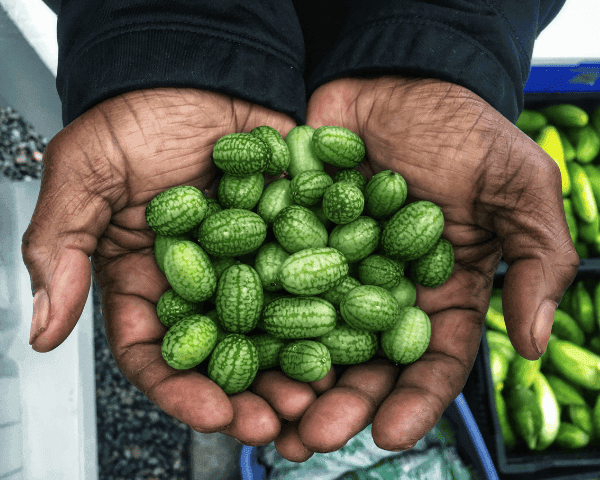
Taking this holistic approach, we aim to ensure that everyone who’s coming here is receiving an excellent program. They're getting a wide variety of super healthy foods to choose from. We're going to make sure that people have the things that they need to thrive.
We’ve had people ask why we’re opening a medical clinic when there are so many other options in the area. It’s because people have found a home. They believe in us. They trust us, and many of those other medical clinics are scheduling appointments a month out. And here, we'll have walk-ins and open clinics to treat people [with staff who speak their language], without having to wait to schedule them a month in advance.
You’ve had the opportunity to interact with thousands of refugees and immigrants who are making Colorado their new home. What do you wish more people understood about the families you serve?
The first thing that comes to mind is the misconception of why refugees come here. Do you think someone would come here to leave their entire life behind and not want to be successful? Oftentimes, you hear families say, "I came here for my kids' future." And what we say is, you're 35 years old. You have an entire future ahead of you, as well. This isn't just about your kids, this is about you, right?
It's also about understanding that many people who come here were doing very well in their countries. They didn't want to leave their country, but they had no choice. They came here, and we need to welcome them. We need to help people when they arrive, not put their brains on a shelf. All of this knowledge and education should be utilized, not just stored for later use. Let's help them rebuild their lives, as that's what they're here for.
In addition to the donation drive, is there anything else that Welcomers can do to continue to support Project Worthmore?
Something I've been saying lately is that, no matter who you are, do something good for someone every day. I've tried to live by that motto. It could be the simplicity of just saying hello to the person standing next to you at the intersection when you're trying to cross the road. It could be a person holding the door for someone. It could also be volunteering at your local refugee organization.
Whatever it may be, the world is broken. There's division everywhere. The most important thing we can do to make the world a better place is for everyone to do one act of kindness, no matter what it is, every day. By doing this collaboratively, maybe we can make the world a better place because, damn, we need it.
Whether you're supporting Project Worthmore or someone you care about, just help somebody. That's it. Support the newcomer because they need it.
More stories of welcome
Stories of Welcome
Better together: How ReEstablish Richmond is ‘filling the gaps’ with its community
June 20, 2025